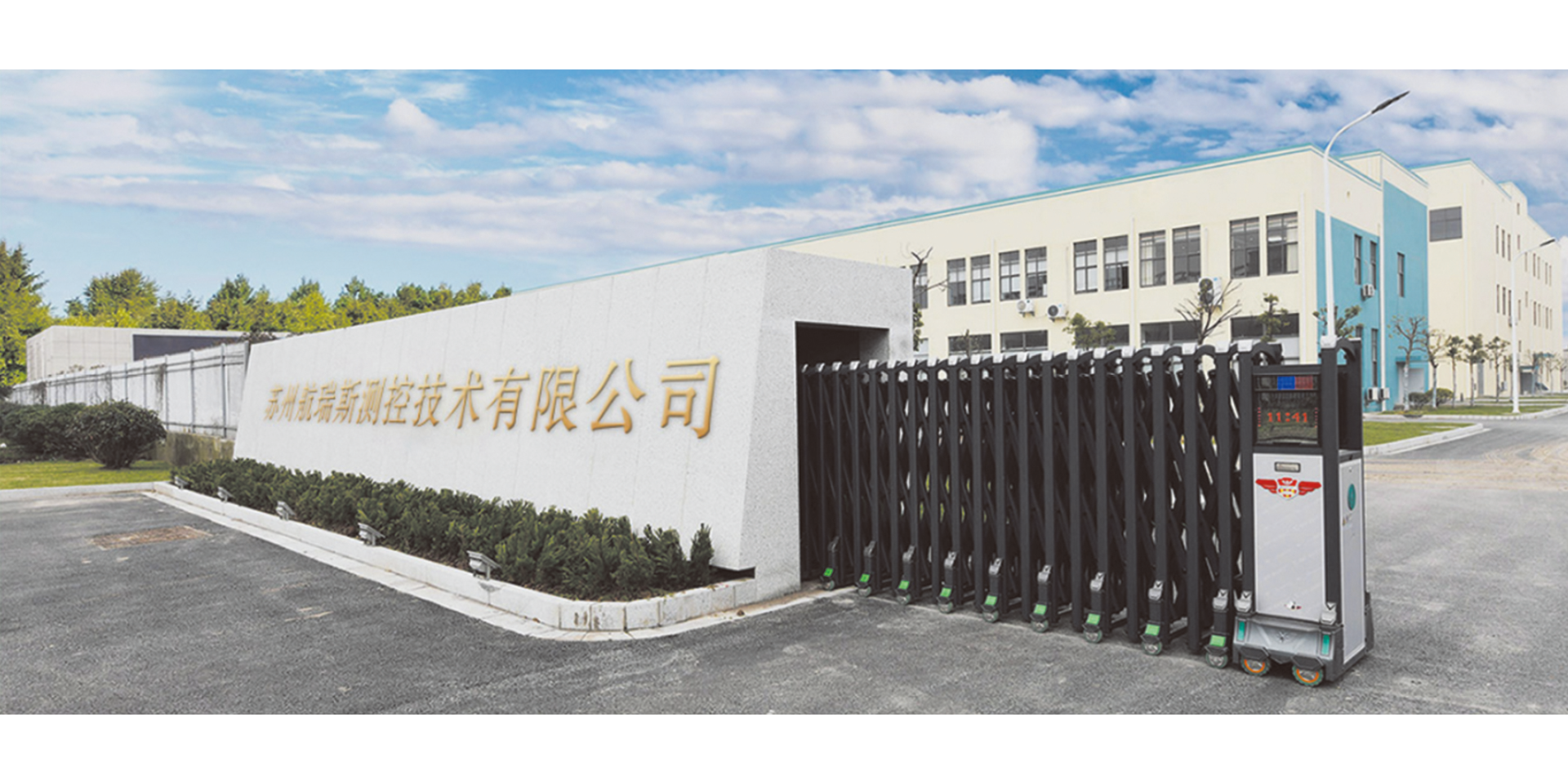
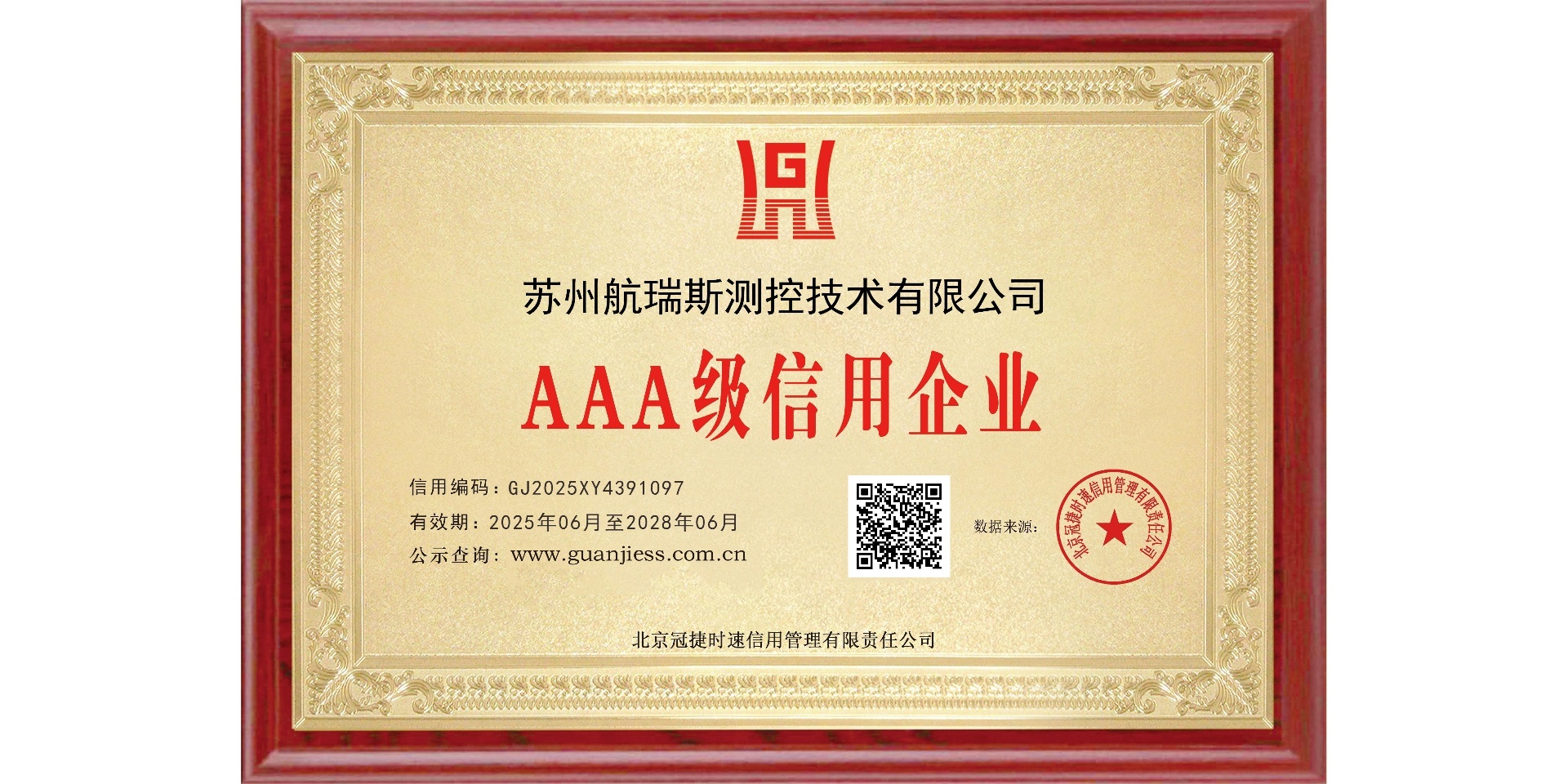
Suzhou Hangruisi Measurement and Control Technology Co., Ltd.

Force Control System Solutions Provider







Photovoltaic Fiber Optics Field
Tel: 0512-66219558
Email: info@hangruisi.com
Details
#### I. Definition and Importance of 3C Industry Automation
3C industrial automation, simply put, refers to the integration of advanced automation technologies, information technology, and intelligent equipment into the production process of 3C products, enabling automated, digitalized, and intelligent management of manufacturing workflows. This transformation not only boosts production efficiency and reduces labor costs but also significantly enhances product quality consistency and traceability—making it a core driver for elevating the overall competitiveness of the 3C manufacturing industry.
#### II. Key Technologies in 3C Industry Automation
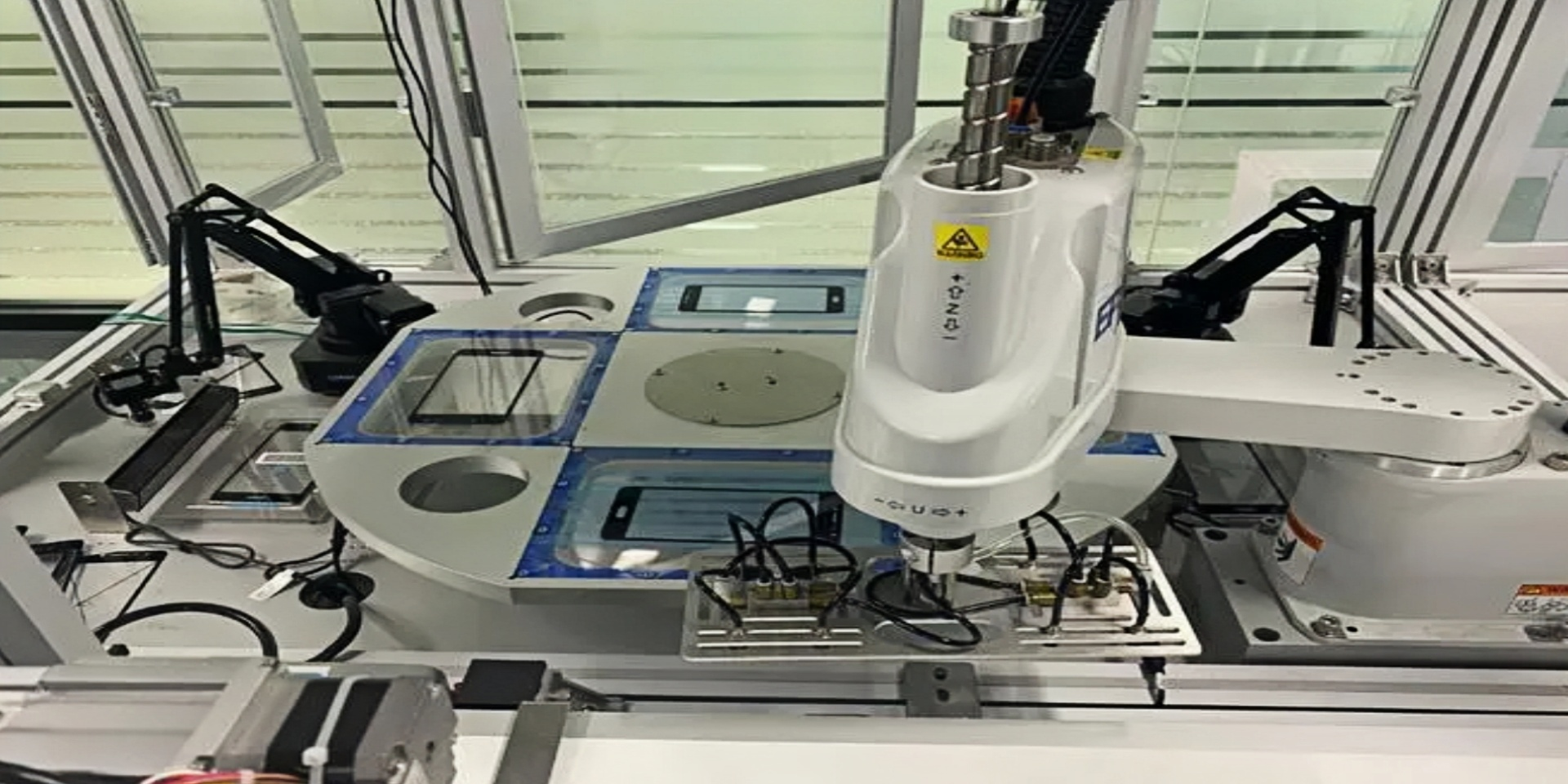
1. **Smart Robots**: In 3C manufacturing, highly precise and versatile robots are widely used in processes such as assembly, material handling, welding, and inspection. Notably, robots demonstrate unparalleled advantages when it comes to the delicate assembly of tiny components.
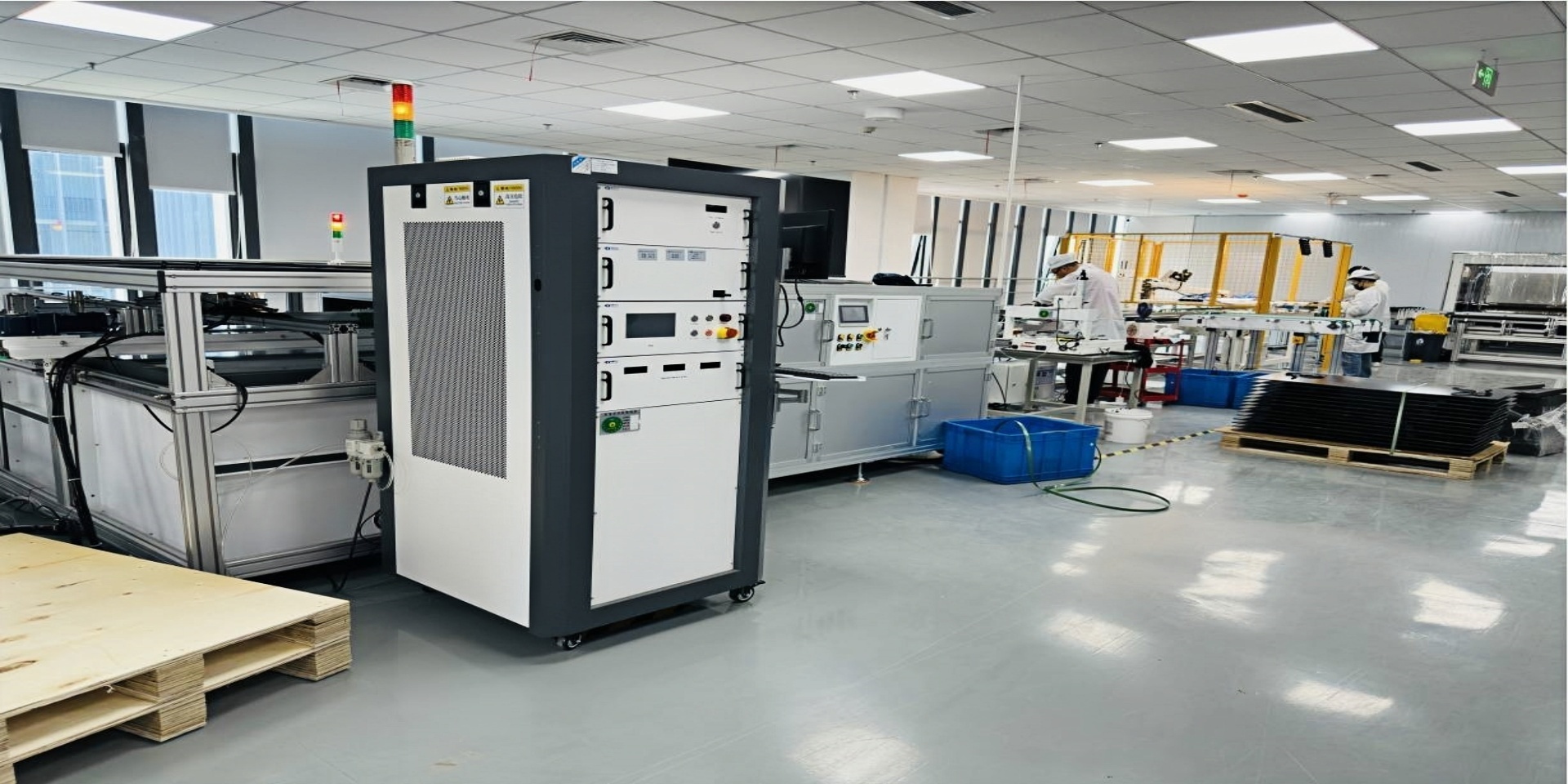
2. **Automated Production Line**: By integrating PLCs (Programmable Logic Controllers), sensors, actuators, and other equipment, we have built a highly flexible production line capable of rapidly adjusting its configuration based on order requirements, enabling agile manufacturing.
3. **Machine Vision**: Utilizing image-processing technologies for product quality inspection, positioning guidance, and more, this approach enhances detection accuracy and efficiency while significantly reducing the error rate of manual inspections.
4. **Internet of Things and Big Data**: IoT technology connects production equipment, material management, quality control, and other critical processes, creating a data loop. Meanwhile, big data analytics can uncover optimization opportunities within the production process, providing valuable insights to support decision-making.
5. **Artificial Intelligence and Machine Learning**: The application of AI algorithms—such as predictive maintenance and intelligent scheduling—has further optimized production processes, boosting overall operational efficiency.
#### III. Challenges and Countermeasures in Implementing 3C Industry Automation
Although 3C industrial automation brings numerous benefits, it also faces several challenges in practical implementation. First and foremost, the high initial investment costs are a common concern for businesses. To address this, the government could introduce more supportive policies to encourage companies to adopt automation upgrades. At the same time, enterprises should carefully plan and implement automation transformations in phases.
Secondly, technology evolves and iterates rapidly, making it a significant challenge to stay ahead. Companies should strengthen collaboration with research institutions and universities, increase investment in R&D, cultivate specialized talent, and build sustained innovation capabilities.
Moreover, the flexibility and scalability of automated production lines also pose significant challenges during implementation. Adopting technical approaches such as modular design and standardized interfaces can effectively enhance the adaptability and flexibility of the production line, enabling it to meet the demands of future product changes.
#### IV. Looking Ahead: Trends in 3C Industry Automation
As technologies such as 5G, the Internet of Things, and artificial intelligence continue to mature, automation in the 3C industry will usher in even broader prospects for growth. In the future, we may witness a higher degree of intelligent manufacturing—such as virtual debugging based on digital twins and fully autonomous smart factories—all of which will elevate the智能化 level of the 3C manufacturing sector and propel the industry toward greater quality and efficiency.
In short, 3C industrial automation is not only a product of technological advancement but also an essential path for the industry's transformation and upgrading. Looking ahead, 3C companies must stay abreast of technological trends and actively explore automated, intelligent production models—driving growth through innovation—and collectively chart a bright future for smart manufacturing.




Tel


Factory Address

Room 401, Building 5, Chengnan Science and Technology Industrial Park, No. 25 Dongwu South Road, Wuzhong District, Suzhou City