Suzhou Hangruisi Measurement and Control Technology Co., Ltd.

Force Control System Solutions Provider


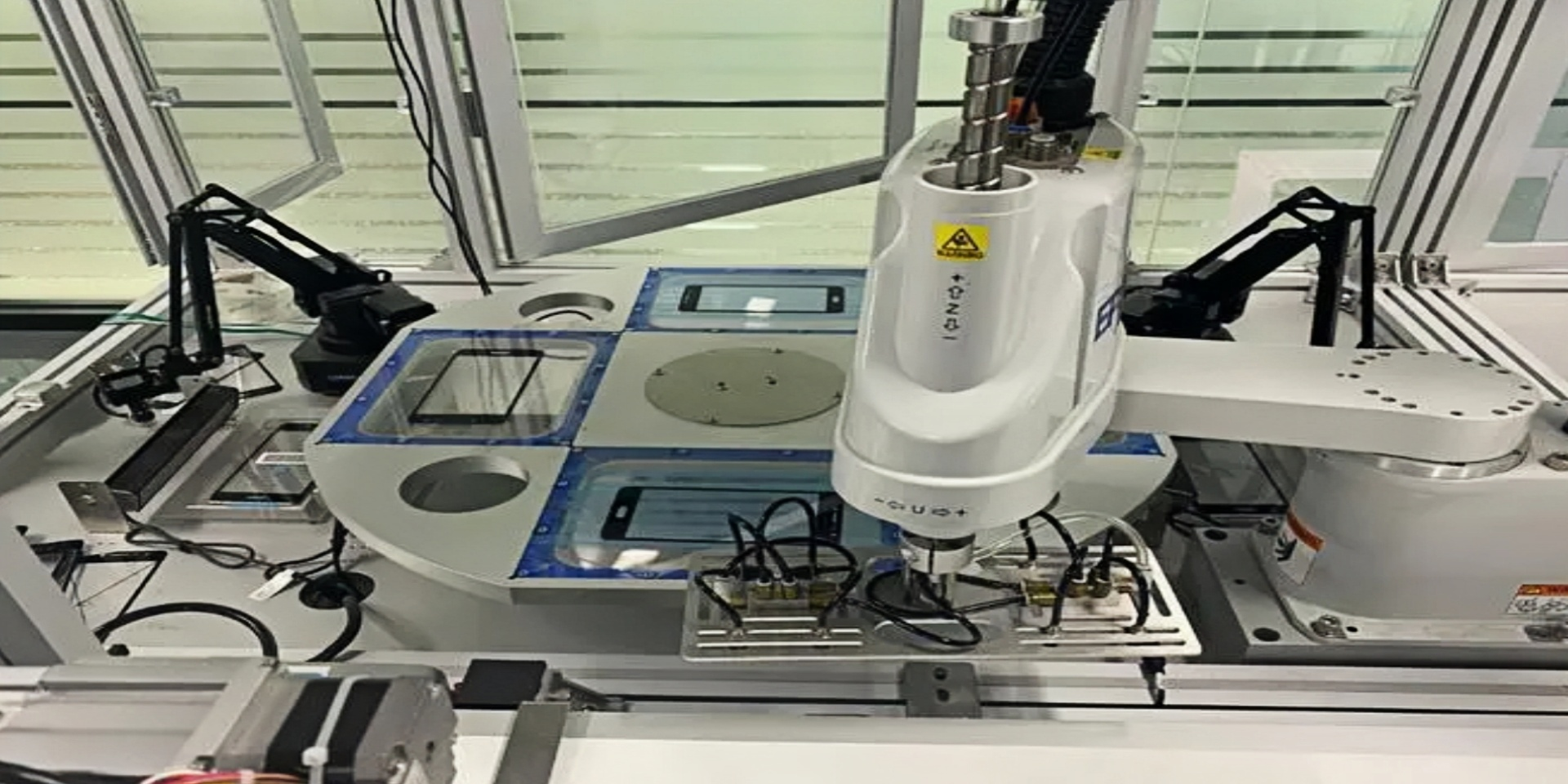
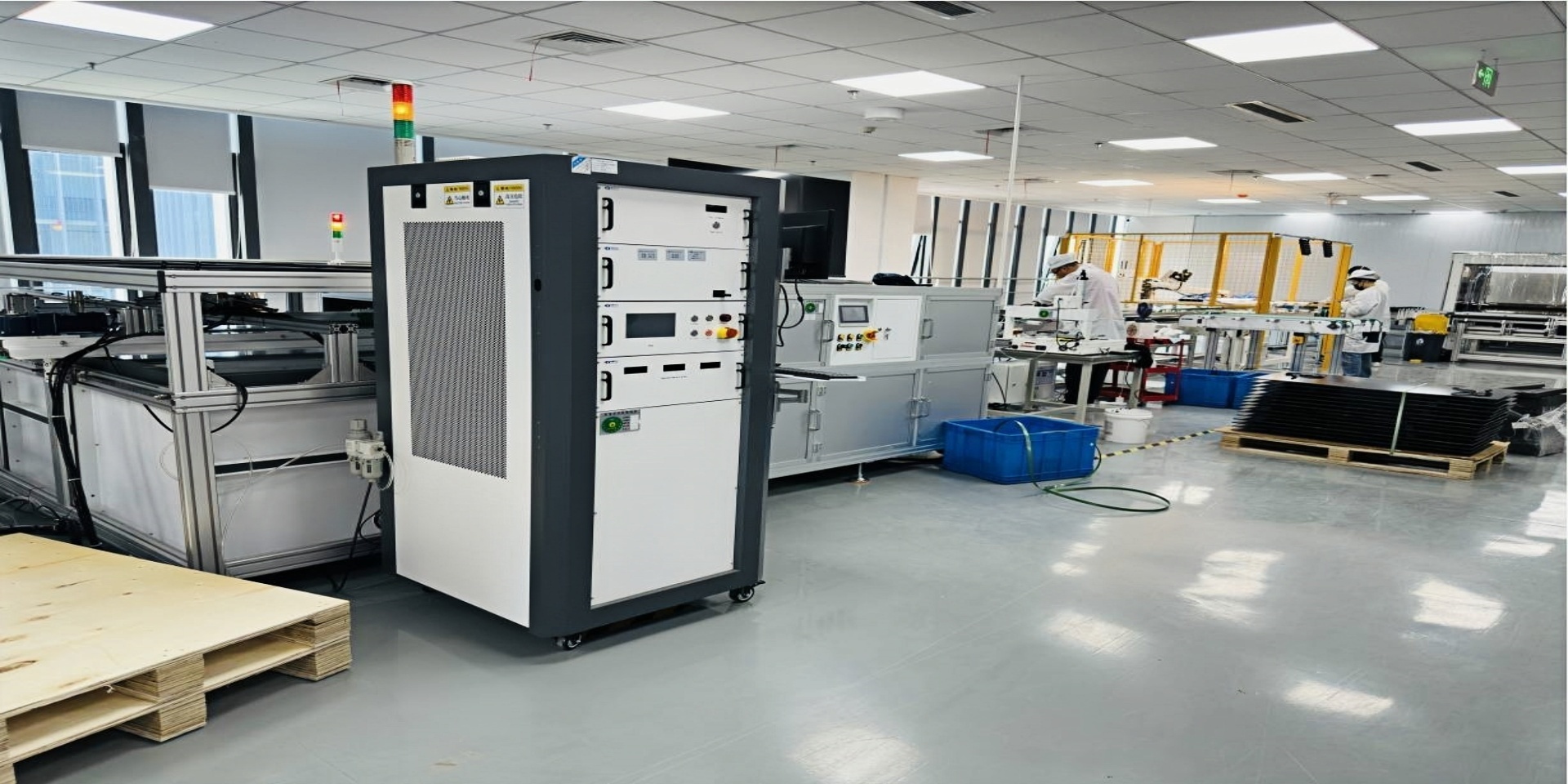
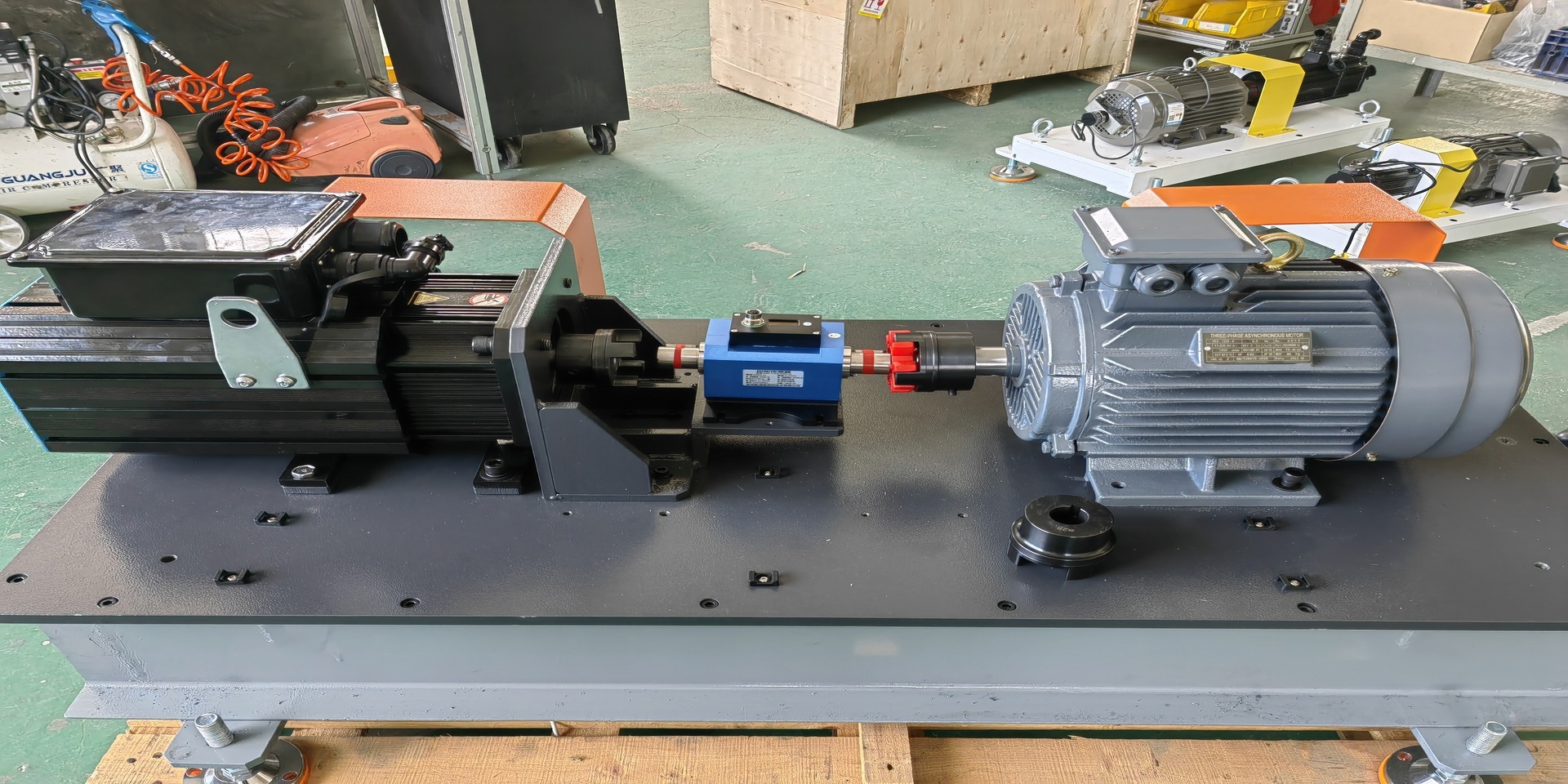







New Energy Battery Pack Press-Fitting
Tel: 0512-66219558
Email: info@hangruisi.com
Details
I. Overview of New Energy Battery Pack Press-Fitting
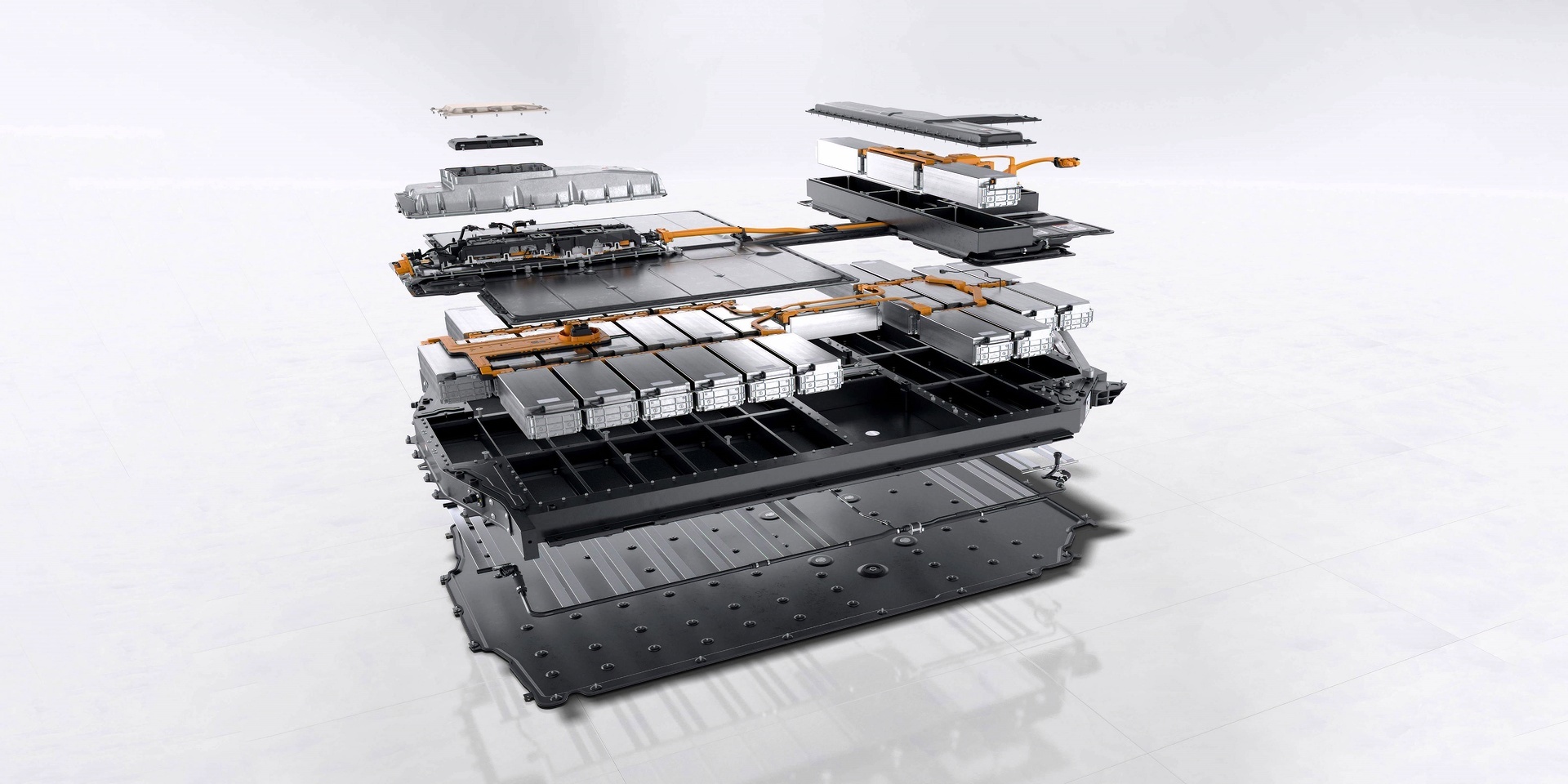
New energy battery packs typically consist of multiple individual cells assembled either in series or parallel, encased within a protective shell and equipped with advanced cooling structures. Press-fitting—where these components are precisely pressed together using controlled mechanical force to secure them—is a critical step in the battery pack assembly process. The quality of press-fitting directly influences the internal structural stability of the battery pack, the reliability of electrical connections, and the efficiency of thermal management. A well-executed press-fitting process ensures that the battery pack can maintain safe operation even under challenging environmental conditions.
II. Key Elements of the Press-Fitting Process
1. **Pressure Control**: Establishing a reasonable pressure setting is crucial for the success of press-fitting. Excessive pressure may lead to deformation of the battery cells, compromising battery performance, while insufficient pressure could result in poor sealing, increasing the risk of leakage or short circuits. Therefore, a pressure control system is essential.
2. **Displacement Monitoring**: By using displacement sensors to continuously track the deformation of workpieces during the press-fitting process, it’s possible to promptly adjust the press-fitting strategy, preventing both over- and under-pressing, and ensuring that each battery cell experiences uniform force application.
3. **Temperature Management**: During the battery pack compression assembly process, friction generates heat, so it’s crucial to strictly control the working temperature to prevent high temperatures from damaging the battery materials. Common temperature management methods include using cooling devices or adjusting the compression speed.
4. **Fixture Design**: The design of tooling fixtures directly affects the precision and efficiency of press-fitting operations. A well-designed fixture ensures accurate positioning of battery cells while minimizing stress concentrations during the press-fitting process.
III. Technical Challenges and Solutions
1. **Challenges in Precision Control**: The internal structure of the battery pack is complex, demanding high precision during press-fitting. By integrating a high-precision servo press with advanced sensor technology, it becomes possible to precisely control the pressing force and monitor displacement in real time, thereby enhancing the accuracy of the press-fitting process.
2. **Material Matching Issues**: Differences in thermal expansion coefficients between materials can lead to inconsistent deformation after press-fitting. By conducting materials science research to select material combinations with similar thermal expansion coefficients, or by implementing pre-deformation designs, this issue can be effectively mitigated.
3. **Demand for Automation and Intelligent Solutions**: As production scales expand, higher demands are placed on the automation and intelligence levels of press-fitting processes. By integrating advanced technologies such as robots and AI algorithms, we can achieve automated control and data analysis throughout the press-fitting process. This not only boosts efficiency but also enables the timely identification and resolution of potential issues.




Tel


Factory Address

Room 401, Building 5, Chengnan Science and Technology Industrial Park, No. 25 Dongwu South Road, Wuzhong District, Suzhou City